Key takeaways
- For a short home session, a normal meal a few hours before is enough — no special pre-workout food required.
- After training, eat a normal meal with protein and carbs; the best post-workout food is dinner, on time.
- Setline keeps catalog plates with honest kcal beside your session — browse them in [foods](/foods).
Start with the size of the workout
Most advice about what to eat before and after a workout is written for two-hour gym sessions and long runs. A home session of twenty or thirty minutes is a different animal: it does not empty your fuel tank, and it does not need a feeding strategy. That is good news. It means the answer for most Setline users is refreshingly plain — eat normal meals, at normal times, and let training fit around food instead of the other way round.
Timing still matters a little, mostly for comfort. A large meal right before training makes most people feel heavy and slow. Training on a completely empty stomach after a long gap makes some people light-headed. Between those two edges is a wide, forgiving middle where almost anything sensible works.
It helps to know what food is actually doing around a workout. The meal you ate hours ago is what fuels the session — digestion is slow, and energy arrives on its own schedule, not the one on a supplement label. Food eaten right before training mostly affects how your stomach feels while you move. Food eaten afterwards joins the day's total and gets used over the following hours and days. Once you see it that way, the panic drains out of the question: there is no single bite that makes or breaks a twenty-minute session, only a general pattern of eating enough, at sane intervals, most days.
Before the session: light, familiar, unhurried
If your last meal was two or three hours ago, you are ready — nothing else is needed. If you are training first thing in the morning or long after lunch and feel genuinely empty, have something small and familiar: a banana, a yogurt, a slice of toast, a glass of milk. The rule is boring on purpose. Familiar food, modest amount, a little time to settle.
A few practical notes that cover most situations:
- Big meal: leave roughly two to three hours before a session
- Small snack: 30 to 60 minutes before is usually comfortable
- Morning training: a small snack or just water — both are fine for a short session
- Avoid brand-new foods right before training; test nothing on session day
- Drink water when you are thirsty; a normal day of drinking covers a short workout
After the session: dinner is the recovery meal
The post-workout window is mostly a marketing invention for short home training. Your body does not slam a door shut thirty minutes after the last set. What it needs over the day is enough food, and the simplest way to give it that is to eat your next normal meal — with protein and carbs in it — at roughly the normal time.
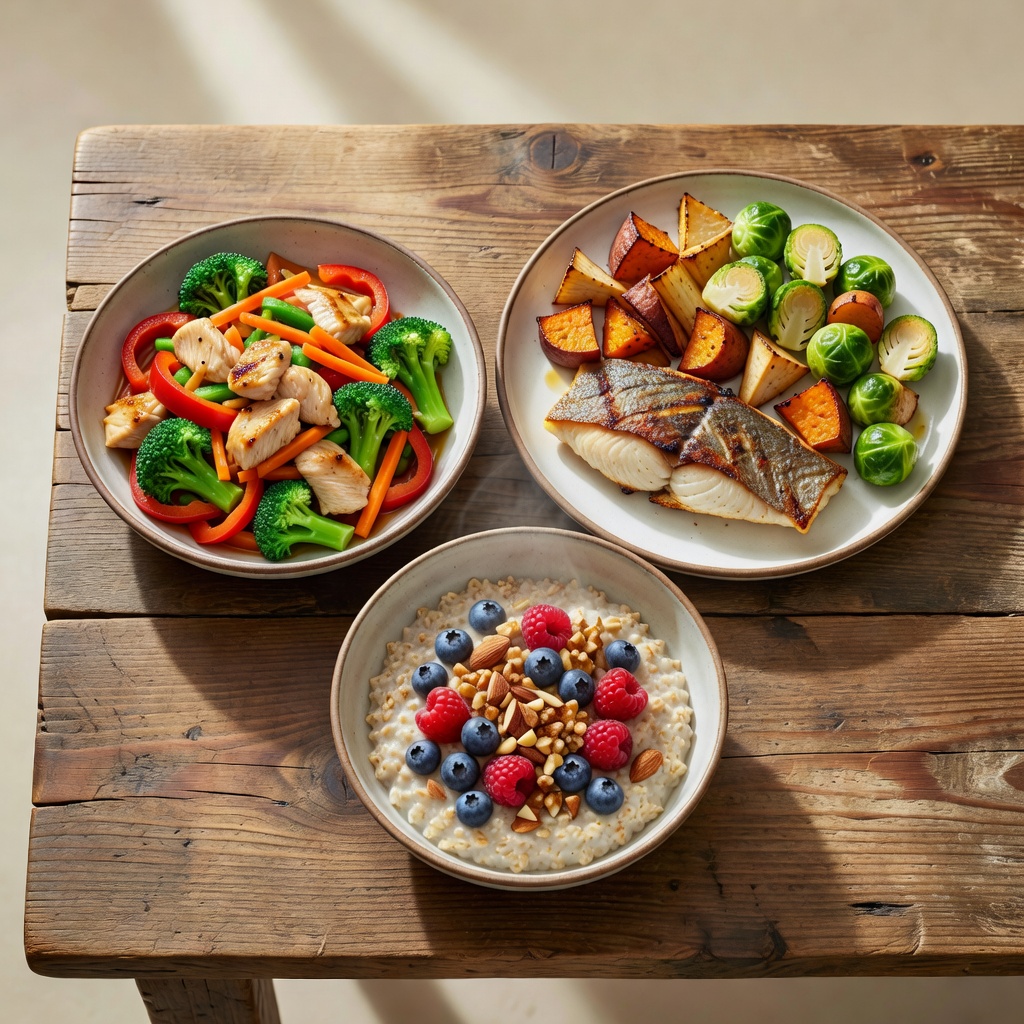
Protein and carbs is deliberately vague, because for this level of training vague is accurate. Eggs and rice. Chicken and potatoes. Beans on toast. A yogurt bowl with oats and fruit. These are ordinary plates doing an ordinary job: replacing the energy you used and giving your muscles the building material they use every day anyway. Anyone who turns a twenty-minute bodyweight session into a gram-counting exercise is adding admin, not results — admin that makes people quit, the same way over-planned training weeks do in short clock days.
If dinner is still hours away and you are hungry now, have a normal snack and then dinner as planned. Hunger is a fine guide at this scale.
A word about appetite, because it surprises people: training often makes you hungrier later in the day, and that is not the workout being undone — it is the workout being paid for. The mistake is not eating more on training days; the mistake is treating the session as a transaction, a small pile of calories earned and spent, and policing yourself accordingly. Eat like a person who trains regularly, which is to say a person who eats regular, decent meals and does not keep a ledger in their head. If you want visibility without the ledger, the Logged tab in Fuel simply shows what you marked as eaten — a record, not a verdict.
How Setline thinks about food: beside the session, not above it
Setline does not ship meal plans, and this article is not a secret one. Instead, the app keeps a catalog of real plates with honest calories, sitting next to your training rather than judging it. In foods you can browse the plates and see what each one adds up to. Fuel — the food view in the app — has three tabs: Catalog for browsing plates, Logged for what you marked as eaten, and Session for the food attached to today's work.
With Pro, two food features join the training ones: plate swaps, when the suggested plate does not fit your fridge or your mood, and one weekly grocery list built from the plates — so the week's food becomes a single shopping trip instead of a daily negotiation. The pattern matches the training side, and it is the same idea as the plates discussed in three plates beside the session: food as a quiet, repeatable system, not a second job.
Notice what is missing: no targets, no streaks for eating, no red numbers. The catalog tells you what a plate contains; you decide what dinner is.
A day of eating around a session, concretely
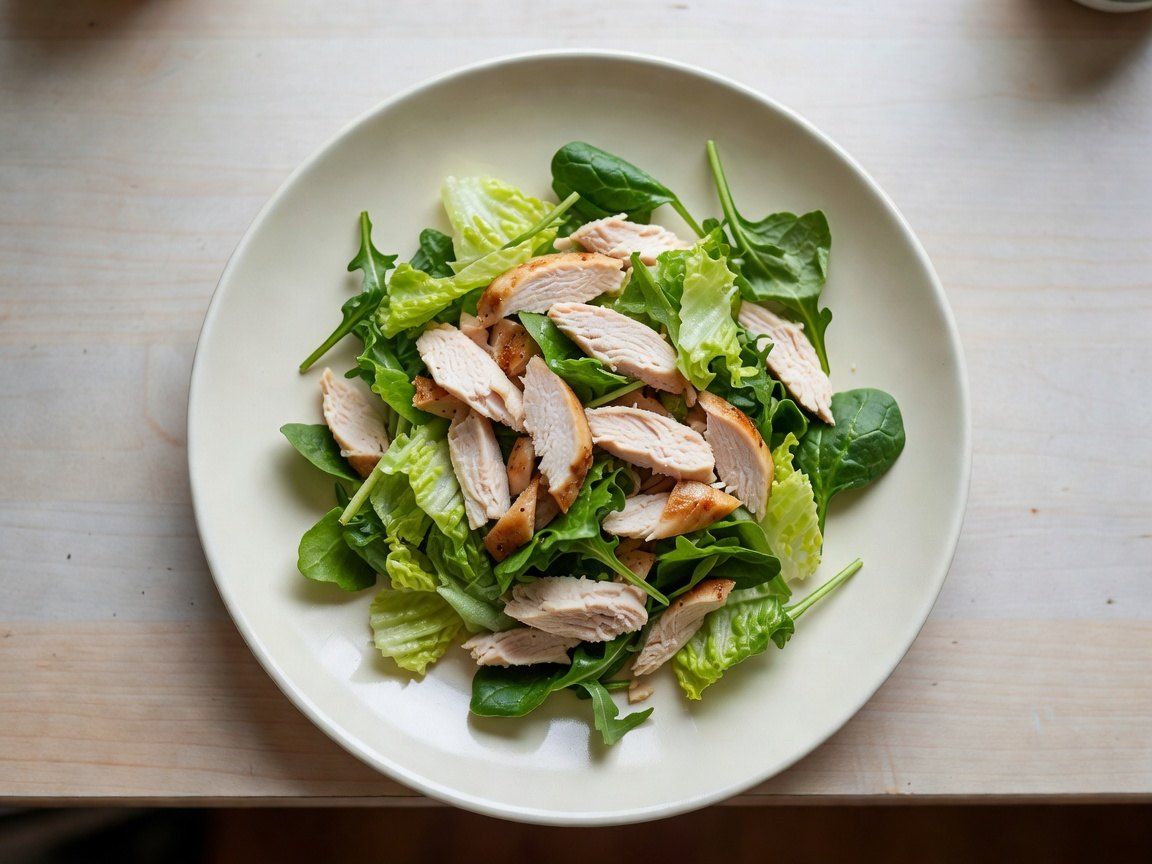
Here is a completely ordinary training day, start to finish. Lunch at one: a chicken bowl with lemon and grains. Session at six, after work — no special snack, because lunch was substantial and four or five hours is a comfortable gap. Water during the session. Dinner at seven-thirty: a white fish plate with greens and avocado, eaten because it is dinner, not because an app demanded it inside a window.
That is the whole system. If your session lands in the morning, slide the same logic around it: small snack before if you want one, breakfast after. Take the quiz at whatever time suits you, train the session it writes, and let the day's normal meals do the nutritional work they were already doing.
Common questions
Do I need protein shakes after a home workout?
No. A shake is just food in a glass. If your normal meals include protein across the day — eggs, dairy, meat, fish, beans, lentils — a short home session needs nothing special added to it.
Is it bad to work out on an empty stomach?
For a short, moderate home session, many people train before breakfast comfortably. If you feel dizzy or weak training fasted, have a small snack first. Comfort is the guide here, not a rule.
How soon after training should I eat?
At your next normal meal. For the kind of sessions Setline writes, there is no urgent window — eating a regular meal with protein and carbs within a few hours covers it.