Key takeaways
- A cut is not a promise or a punishment — it is eating slightly less while keeping your training exactly as it was.
- A bodyweight workout at home removes the two biggest points of failure: the trip to the gym and the new routine.
- Printed kcal on catalog plates makes the food side adjustable without apps, spreadsheets or guesswork.
What a cut is — and what it is not
A cut is simply a stretch of weeks where you eat a little less than usual while you keep training. The training stays; the food does the adjusting. It is not a crash phase, it is not a countdown, and it comes with no promised number at the end. Anyone who guarantees you an outcome is selling something. What you actually control is the routine: the same sessions, the same plates, repeated until the whole thing is unremarkable.
That plainness is the strategy. Most cuts fail the way most workout plans fail — they are too complicated to repeat on an ordinary Tuesday. A complicated eating scheme collapses the first week work runs late. A complicated training plan collapses with it. A bodyweight workout at home, paired with meals whose calories are printed on them, is about as simple as the process can honestly be made.
Why bodyweight is enough to start
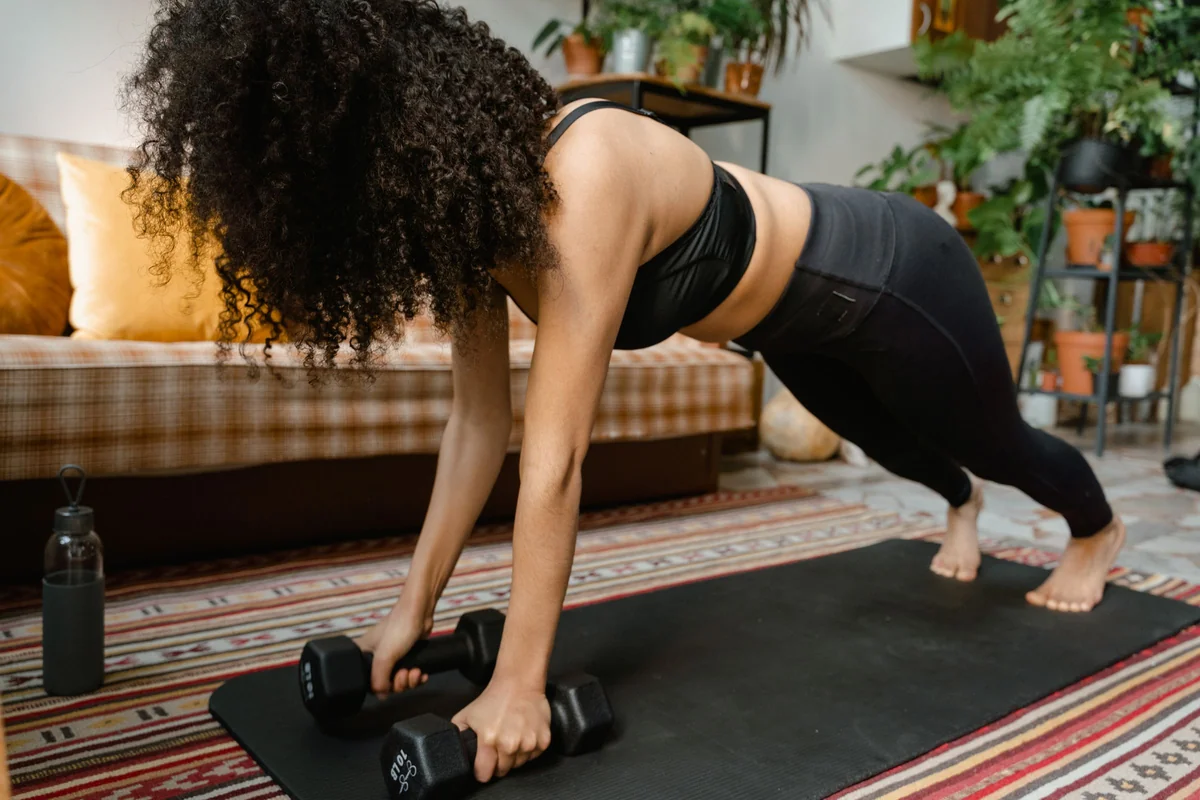
When you take the quiz, one of the questions is what gear you have — and "none" is a complete answer. Setline writes bodyweight sessions from the movement patterns home training has always used: squats, push-ups, lunges, hinges and planks, arranged to fit the minutes you said you have. Nothing about a cut requires a rack, a bench or a cable machine. It requires sessions you finish, on the days you said you would.
Bodyweight has a second advantage during a cut: it is honest about energy. On lower-food weeks, a long equipment workout can turn into a daily negotiation with yourself. A twenty- or thirty-minute bodyweight session is a smaller promise, and smaller promises get kept. Keeping the session is what protects the habit — and the strength you built — while the eating side does its slow, unglamorous work.
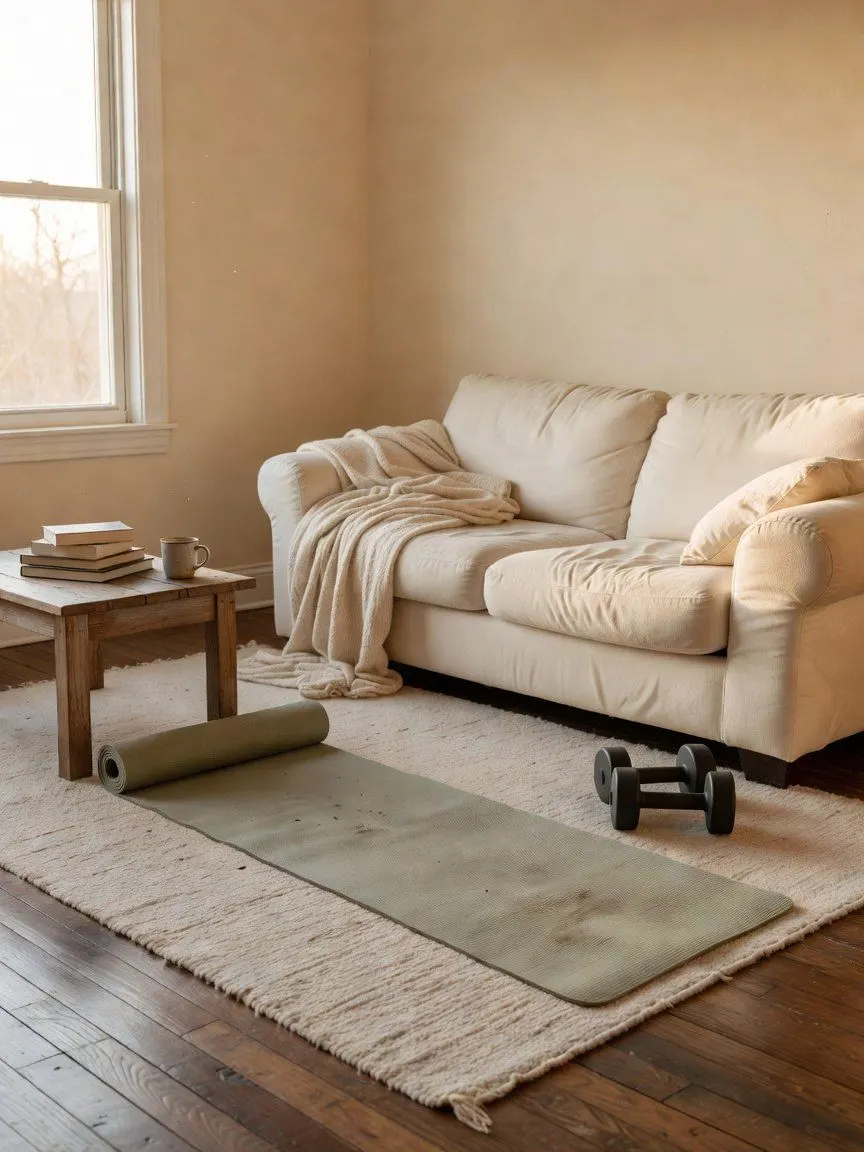
There is also nothing to assemble, charge, store or step over. A bodyweight session happens in the space a rug takes up, which matters more than it sounds: every object a workout requires is a small chance to postpone it. During a cut, when motivation is already being spent on eating less, the training side should ask for as little as possible — show up, press start, tap Done set. Every move in a session like this comes from the bodyweight exercise library — no rack, no bench, nothing to assemble.

The training stays put; the plate does the adjusting
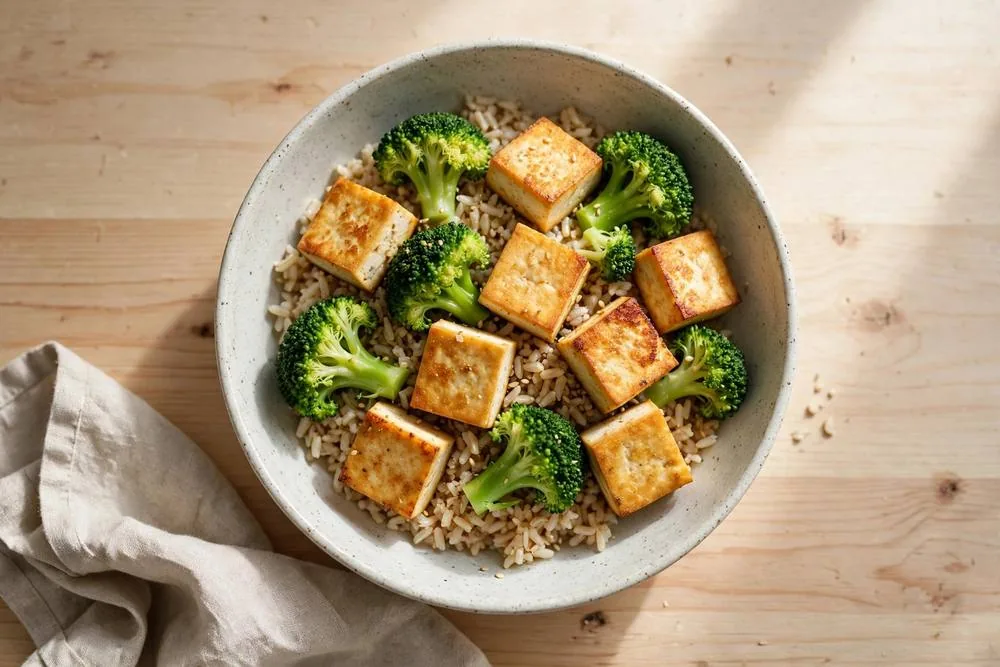
Setline puts meals beside the session instead of in a separate app. Every catalog plate prints its kcal, so the adjustment a cut needs is visible without a spreadsheet: choose the lighter plate, keep the session identical, done. Fuel, the food view, keeps three lists — Catalog for the plates, Logged for what you actually ate, and Session for the meals sitting next to today's training.
That arrangement matters more than any single meal choice. A cut is a hundred small decisions, and each one is easier when the number is printed beside the food instead of estimated afterwards from memory. The plates sit beside the session for exactly that reason: training and eating stop being two projects with two apps, and become one screen you were going to open anyway.
A bodyweight session, structured to finish
A typical session the quiz writes for a cut is built to be finishable on a tired day. The through-line is scaling: every hard move has a version you can complete today, and the completion is what the record needs. A half-finished expert session teaches your log nothing and your habit less; a completed basic session is a day the cut actually happened. It looks like this:
- A squat pattern you can repeat — sit-to-stand counts on day one
- A push you can scale — wall, knees or full push-ups as the weeks go on
- A hinge or bridge for the back of the body
- A core hold, timed rather than counted, so form never races a rep count
- Short, fixed rests — the clock decides, not your mood
- A Done set tap after every set, so your place is never in doubt
What Pro adds when the cut gets serious
Every move has an easier version, and using it is not cheating — it is how the session gets finished on low-energy days, which a cut guarantees you will have. The player is free, and free is enough to run the whole thing: the quiz, the session, the repeat. Pro adds the record-keeping: last-time reps for every move, so a cut never quietly turns into easier sessions, plus plate swaps when a catalog meal does not suit the day, and one grocery list for the whole week.
That grocery list is quietly the most useful part during a cut, because it means the week's plates are decided before the week starts arguing with you. If you are choosing between a complicated plan and a finishable one, choose the finishable one and repeat it. It is the same rule that makes any home workout stick: nothing new to learn, nothing new to buy — slightly less on the plate, the same work on the mat.
Common questions
Can a bodyweight workout at home really support a cut?
The training side of a cut is about keeping the habit and the workload while you eat a little less — and bodyweight sessions are enough for that, because they are repeatable and finishable in your own room. The eating side does most of the adjusting. Setline promises no outcomes; it simply keeps the two parts you control — the sessions and the plates — in one place, with the kcal printed.
Do I need to hit a specific calorie target?
No. Setline does not set calorie targets for individuals, and it does not score your eating. Catalog plates print honest kcal so you can pick lighter or heavier plates with your eyes open, and Fuel's Logged view keeps a plain record of what you marked as eaten. What the right amount of food is for you is a personal question — and if health is involved, one for a professional, not an app. The record exists so future-you can see the pattern, not so present-you can be graded.
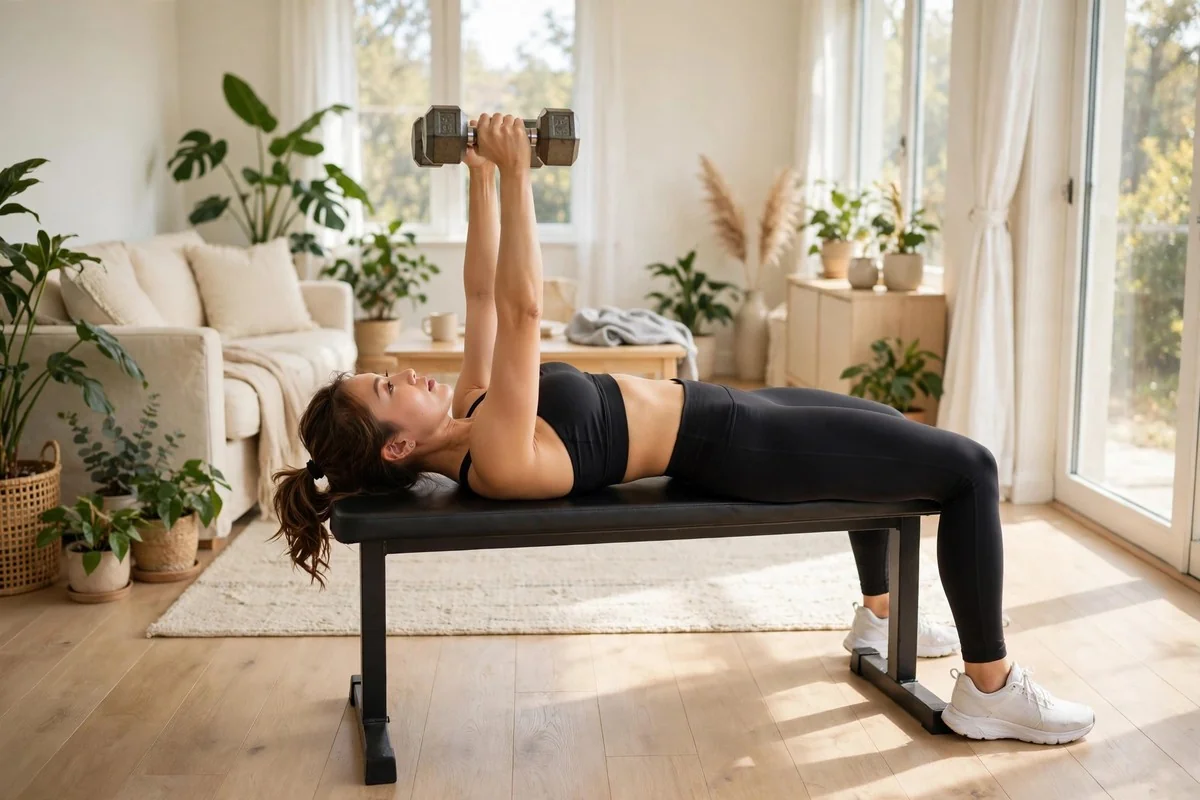
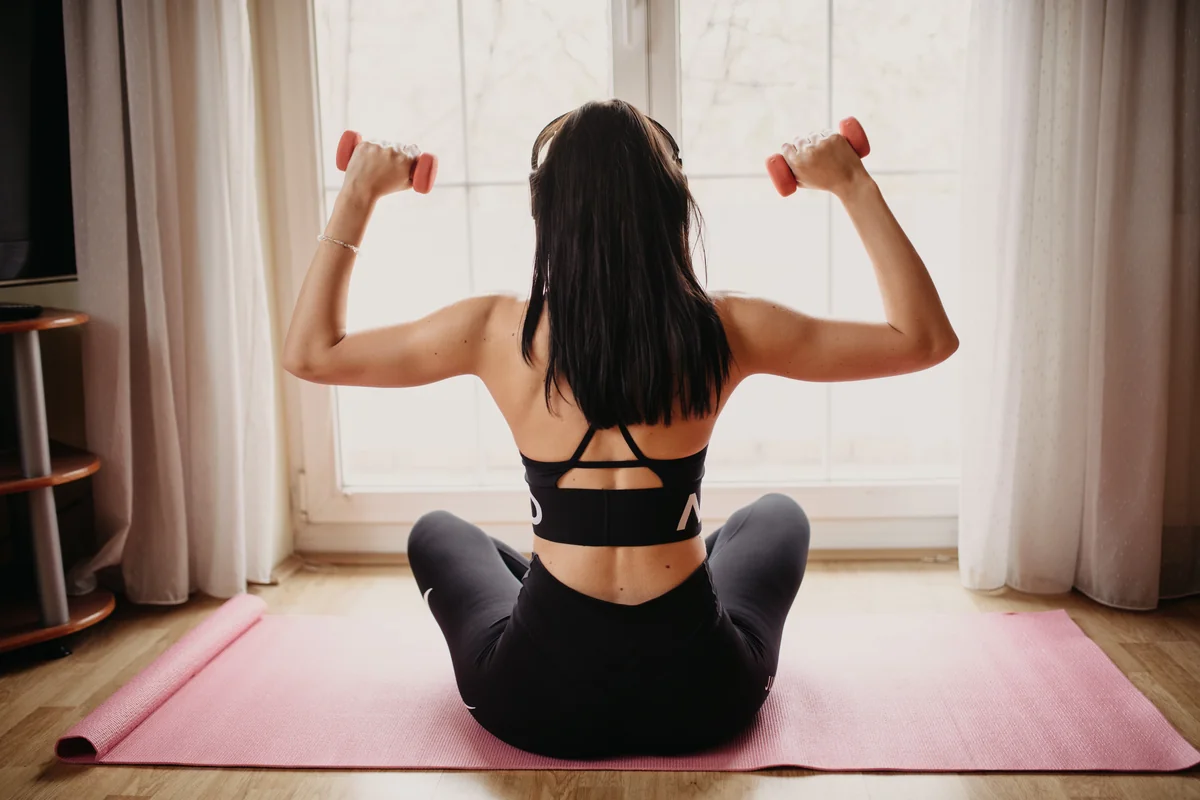
What if I buy dumbbells halfway through a cut?
Retake the quiz and say so. Your answers write the session, so new gear produces a new session with the dumbbells in it — and then you repeat that session the same way. Many people run a bodyweight block first and add equipment only when the sessions start to feel owned. The cut does not restart; the session just gets a new edition.