Key takeaways
- Three real catalog plates cover the range: veg scramble 180 kcal, chickpea salad 238 kcal, high-protein oats 639 kcal — all ready in about 10 minutes, picked by session size and the gap until the next meal.
- Match the plate to the day: a light cut plate when the session was short or lunch follows soon; the big oats bowl when the session was long or the next meal is hours away.
- Keep one plate from each direction in rotation and try a new plate from the 15-minute hub every week or two; the chickpea salad needs no stove at all — just a bowl and a knife.
Healthy 15 minute meals: three plates, one clock
Fifteen minutes is the gap between finishing work and starting a workout, or between walking in the door and sitting down to eat. It is not enough time to cook a proper meal, or so most people assume. These healthy 15 minute meals prove otherwise. They come from Setline's food catalog, where every plate prints its kcal and its cooking time beside its name, and each of the three plates below is ready in about 10 minutes. That leaves five minutes to spare. A training-day meal should fit the day, not take it over.
The trick is not cooking faster. It is picking plates that were fast to begin with. A scramble needs a pan and ten minutes. A salad needs a bowl and a knife. Oats need a pot and a spoon. None of them asks you to learn a new skill or buy a new pan. What changes between the plates is the direction: two light cut plates for lighter days, and one big bulk plate for the days that earn it.
Every plate in this article comes from the same place: Setline's 15-minute plates hub, which lists 78 plates that are all ready in 15 minutes or less. The three below are the range in miniature. The lightest is 180 kcal. The heaviest is 639 kcal. All three take about 10 minutes, and each one prints its ingredients and calories on its catalog page.
That range matters because training days are not all the same size. A short session and a desk afternoon need a light plate. A long morning session and a late lunch need a big one. The short clock days piece makes the same point about training: a short session still counts when it is the right session. A short cook works the same way.
The quick cut plates: light, fast, still a meal
A cut plate fails when it feels like a punishment. The two below avoid that by keeping real food on the plate and letting the kcal do the talking.
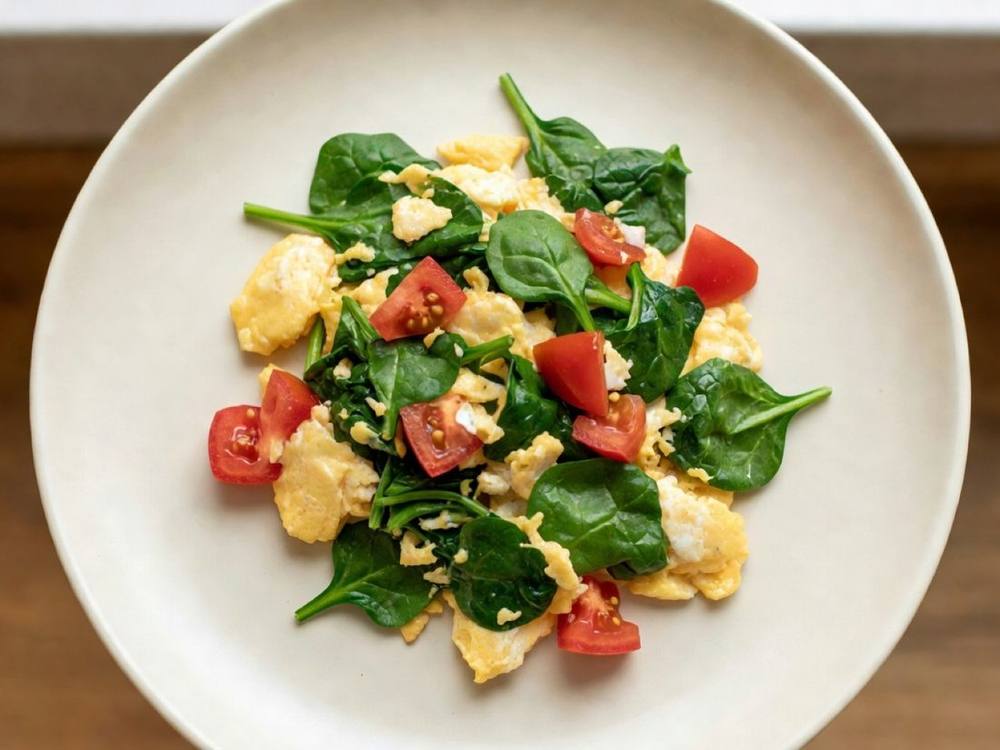
The veg scramble is 180 kcal and ready in about 10 minutes. It is eggs, spinach and tomato in a pan, and it is the lightest plate in this article. It suits a morning when the session is already done, or an evening when the plate just needs to close the day. Two eggs, 80 grams of spinach and one tomato are the whole list, and the catalog page prints the calories beside each one.
The chickpea salad: a meal that assembles itself
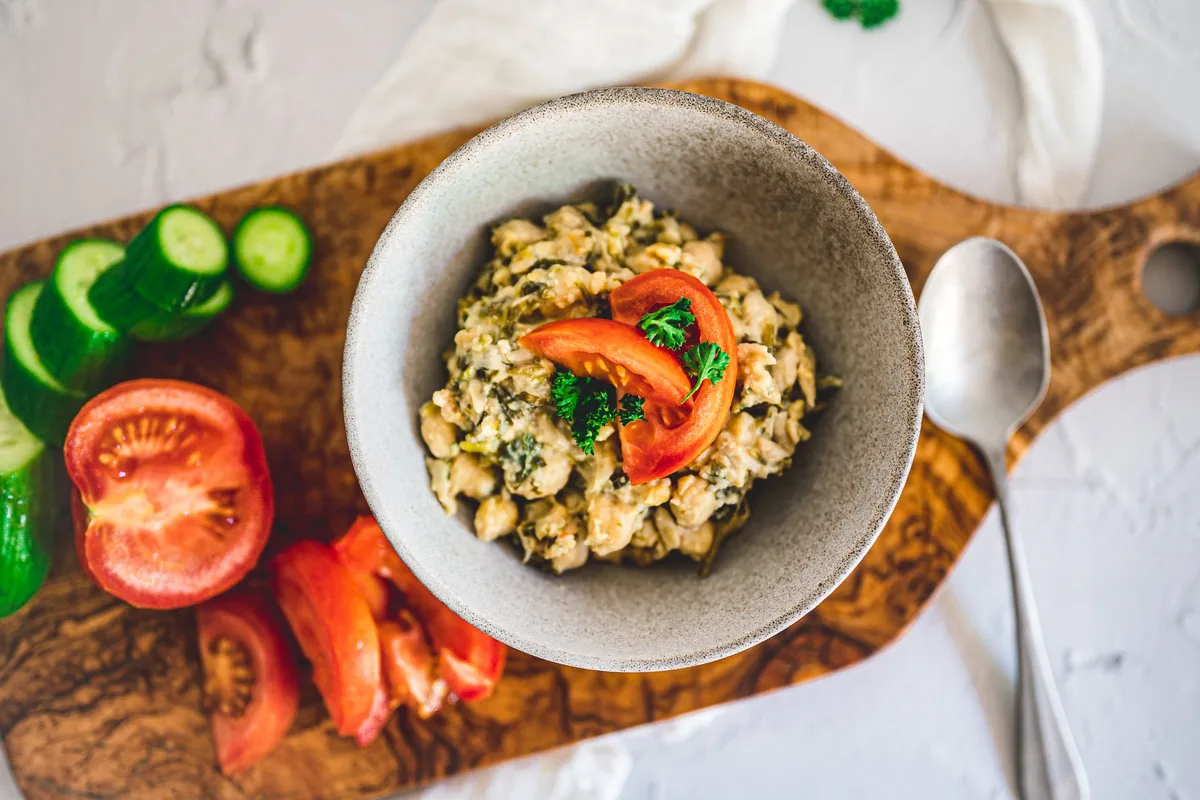
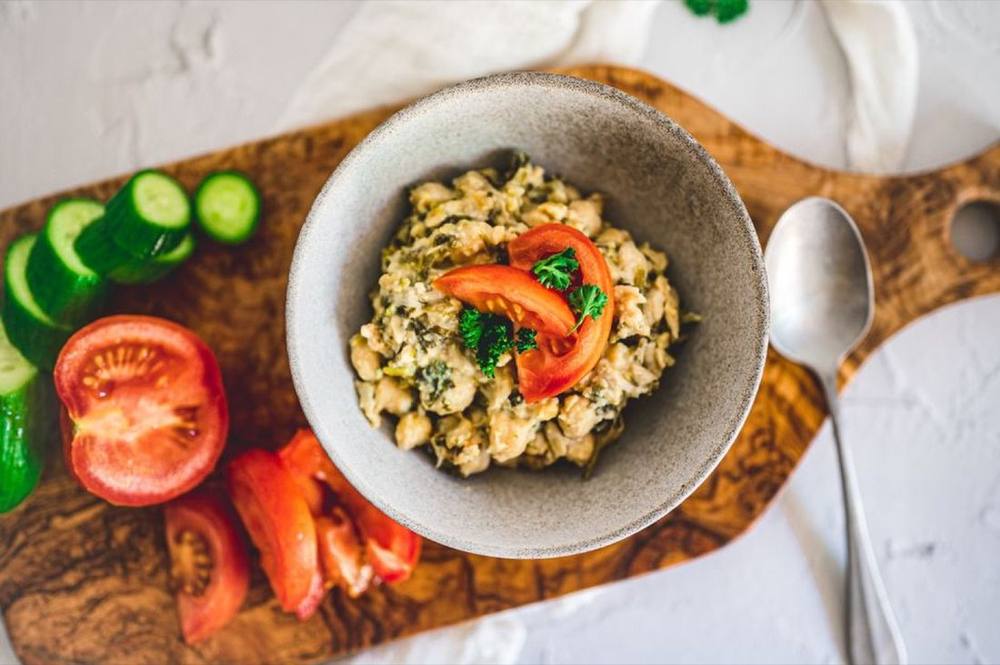
The chickpea salad is 238 kcal and ready in about 10 minutes. It is chickpeas, cucumber and tomato with a teaspoon of olive oil, and it is the plate to pick when you want something cold, fresh and filling without turning on the stove. It suits a rest day, a desk lunch, or a hot afternoon when the kitchen is the last place you want to stand. Chickpeas carry the plate here. They are the reason a salad at 238 kcal still feels like lunch instead of a side dish.
Both plates are cut builds, which means they keep the total smaller on purpose. Pick them on the days when the next meal is not far away, or when the session was short and the day is mostly sitting. If you are hungry an hour later, the plate was too light for that day, so pick the bigger build next time.
The bulk plate: when the day is bigger
When the day is bigger, the plate should be too. The high-protein oats are 639 kcal and ready in about 10 minutes, the quickest cook of the three and by far the heaviest plate. Oats, milk, peanut butter and one banana are the whole list, and the bowl lands as a full meal rather than a light plate with ambitions.
Pick the bulk plate on the days that earn it: a long morning session, a double session, or a day when the next meal is hours away. It works as breakfast before a late session, or as a first meal after an early one. The peanut butter and banana do the heavy lifting on flavour, so the bowl never tastes like a chore. On a light day the same bowl may simply be too much. The point of having both directions is that you choose by the day, not by habit.
How to build a 15-minute week
One fast plate is a good lunch. A week of them needs a small system, and it takes about as long to set up as one cook.
First, pick one plate from each direction and keep them in rotation. A scramble for light mornings, a chickpea salad for light lunches, and oats for the big days cover most of a training week. Browse the 15-minute plates hub when you plan the next batch, and pick one plate you have not tried yet.
Second, let the session set the plate. On a hard training day, eat the bigger bowl and enjoy it. On a light day, take the salad plate and move on. When food follows training instead of fighting it, the week stops feeling like a diet and starts feeling like a plan. For timing around a session, the article on what to eat before and after a workout goes deeper into when each meal should land.
Try it as a planned session
You do not have to hold the plates, the kcal and the timing in your head. Take the quiz and Setline will arrange a session that fits your gear, your style and your minutes, with the food catalog sitting beside it. The free player stays free. Pro adds the extras, with a 14-day free trial after you subscribe, at $6.99 a month, $39.99 a year, or $79.99 once for Lifetime. See the full breakdown on the pricing page before you decide.
Common questions
Can a 10-minute meal really be a proper meal?
Yes, when the plate is built around real ingredients rather than assembly. Eggs and spinach, chickpeas and cucumber, oats and peanut butter are all complete foods, and the kcal printed on each catalog page shows you exactly how much food is on the plate.
Which plate should I pick on a training day?
Match the plate to the day. A long session or a long gap until the next meal calls for the oats at 639 kcal. A short session or a meal coming soon after calls for the scramble at 180 kcal or the chickpea salad at 238 kcal.
Do I need to cook all three plates every week?
No. Pick one from each direction and rotate them. Two or three plates in rotation are enough for a week, and a new plate from the hub every week or two keeps the rotation fresh without a new system.
What if 10 minutes still feels like too much?
Then start with the chickpea salad. It needs no stove and no pan, just a bowl and a knife, and it is the closest thing to a meal that assembles itself.