Key takeaways
- Three real catalog plates cover the rotation: tofu broccoli bowl 259 kcal, chickpea salad 238 kcal, high-protein oats 639 kcal — each names its protein out loud and pairs it with a carbohydrate.
- Match the plate to the goal: cut-day plates stay light while keeping their protein; the bulk-day oats bowl is the biggest plate by a wide margin.
- Eggs and dairy fill the gaps between the three plates — ask at every meal what the protein is, and build breakfast, lunch and dinner around the rotation.
Vegetarian Meals for Training Days: The Three Jobs Your Plate Has to Do
You do not need meat to eat well on a training day. What you need is a plate with a clear job: enough protein to support the session you just did, enough carbohydrate to refill what you spent, and a portion size that matches whether you are cutting or building. Vegetarian meals for training days work exactly the same way, with one difference. The protein does not arrive in a single obvious piece. It comes from a small rotation of foods you already know: eggs, legumes, tofu, and dairy.
A training-day plate has three jobs, and it helps to check them in order. First, protein. Every meal should have a named protein source, not a vague hope that the day adds up. Second, carbohydrate around the session. A bowl of rice, oats, or bread is not a garnish on a training day; it is the fuel that lets you train again tomorrow. Third, portion size matched to your goal. The same ingredients can be a lighter cut-day plate or a heavier bulk-day plate, and the difference is mostly how much of each thing you serve.
That is also how the vegetarian plates in the Setline food catalog are organized. The vegetarian plates hub holds 118 plates, split between cut and bulk, so you can pick the same style of meal at two different sizes. If you are not sure which side you belong on, the quiz builds a plan from your goal, your training days, and the equipment you have.
Three Plates That Cover the Rotation
Start with three real plates. Each one is a complete meal, each one leans on a different protein source, and together they show how the rotation works in practice.
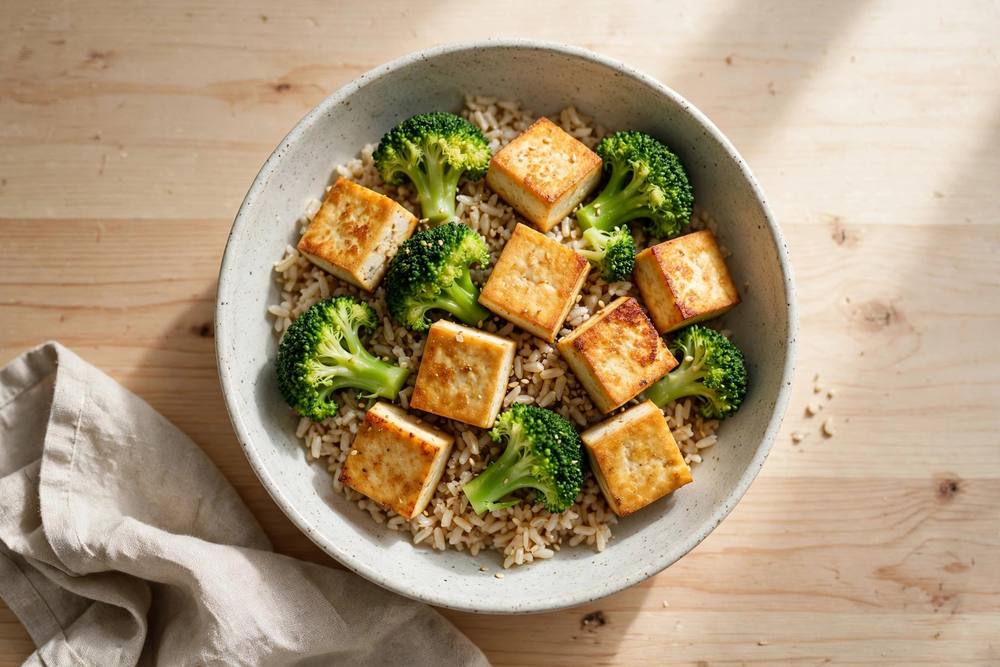
The first is the Tofu broccoli bowl: firm tofu, broccoli, and brown rice, at 259 kcal for one serving. Tofu is the workhorse of vegetarian training food. It takes on whatever flavor you cook it with, it holds up in a lunchbox, and here it sits next to brown rice, which keeps the plate filling without pushing the calories up. The total time is about an hour, most of it hands-off rice cooking, so it suits a cooked dinner more than a rushed lunch.
The Chickpea Salad: Ten Minutes, No Stove
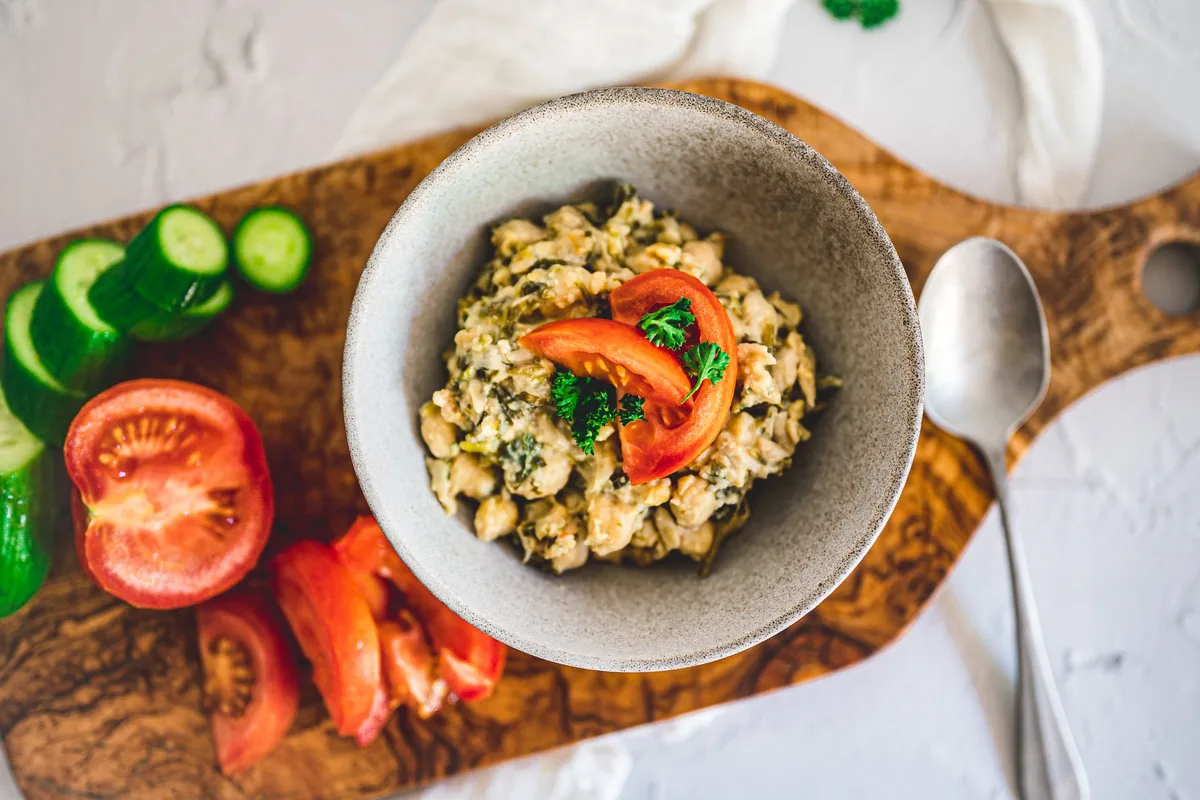
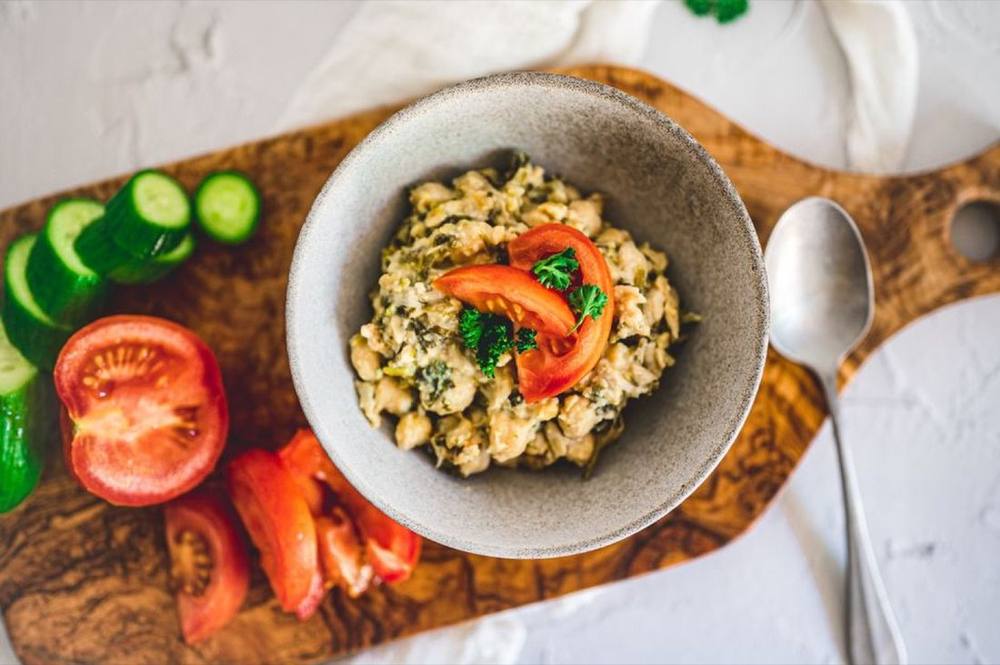
The second is the Chickpea salad: chickpeas, cucumber, tomato, and a teaspoon of olive oil, at 238 kcal and ready in ten minutes. This is the plate for days when training leaves no time to cook. Chickpeas are the legume anchor of the rotation, and a salad built around them needs nothing more than chopping.
The High-Protein Oats: The Bulk-Day Breakfast
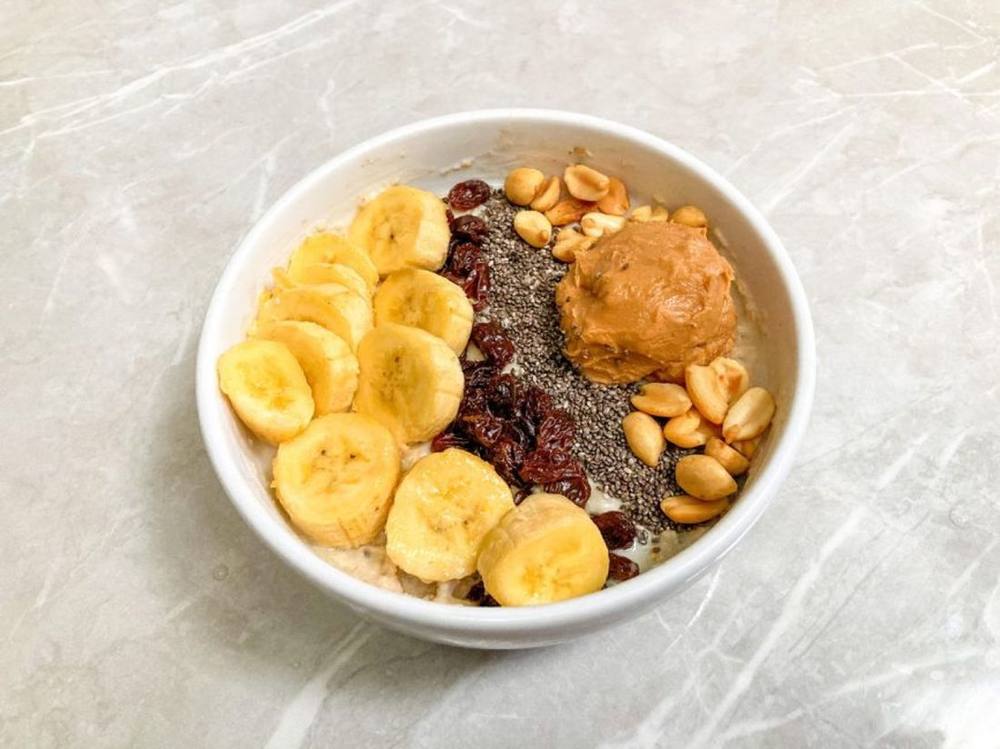
The third is the High-protein oats: oats, milk, peanut butter, and a banana, at 639 kcal and ready in ten minutes. This is the bulk-day breakfast, and the biggest of the three plates by a wide margin. On a building day, breakfast is the easiest place to add calories without adding cooking, and oats plus milk plus peanut butter stays filling for hours, which is what a morning session demands.
Notice what the three plates share. Each names its protein out loud. Each pairs it with a carbohydrate. And each is a normal meal you would actually sit down to, not a supplement in disguise.
Eggs and Dairy Fill the Gaps
Tofu, chickpeas, and oats cover three meals, but most training weeks need more variety than that. Eggs are the simplest gap-filler in vegetarian eating. A boiled egg takes ten minutes, a scrambled egg takes five, and either one turns a salad or a slice of toast into a meal with a clear protein center. Dairy does the same job in a different form: milk in the oats, yogurt beside fruit, cheese grated over a grain bowl. None of these need a recipe. They need a habit, which is to ask, at every meal, what the protein is, and to add an egg or a dairy portion when the answer is nothing. If you are cutting, that question matters even more: a smaller plate still needs its protein, so the egg or the yogurt stays while the rice or the bread shrinks. The earlier piece on three plates beside the session walks through the same idea plate by plate.
A Simple Way to Build the Day
You do not need a spreadsheet. You need a pattern you can repeat without thinking.
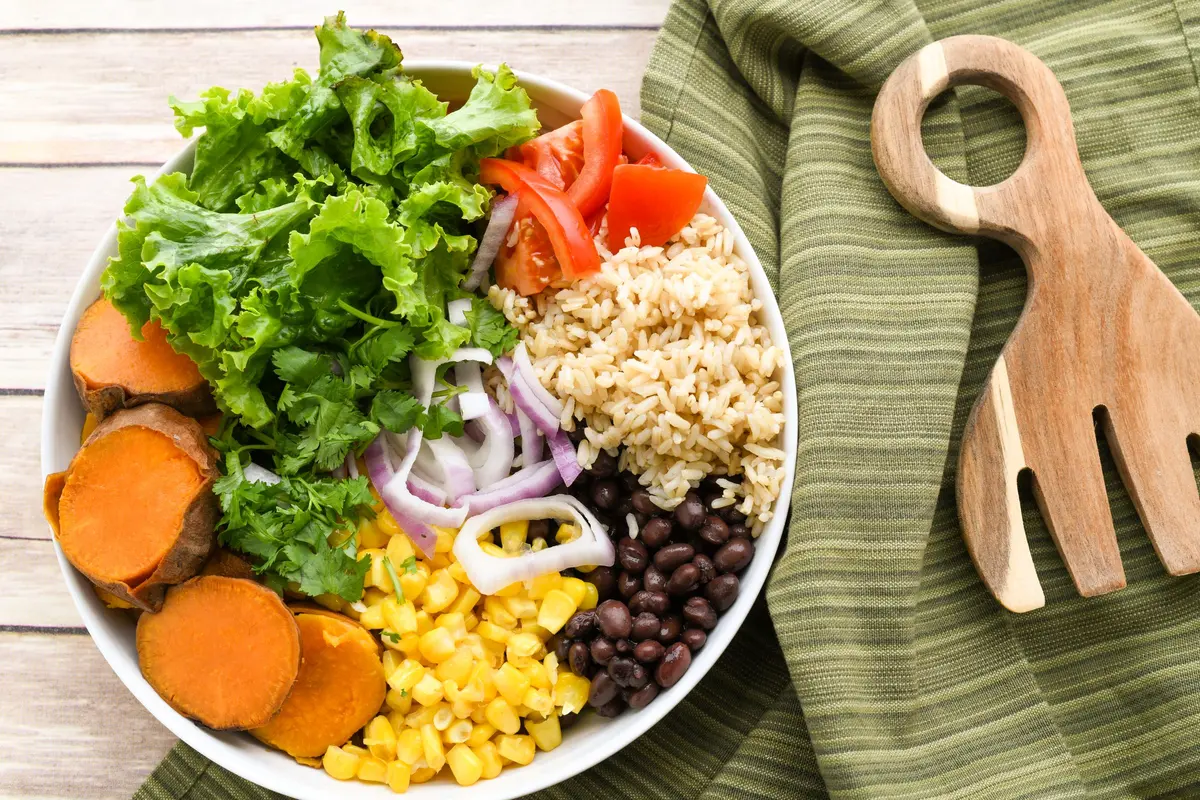
Breakfast is the bulk plate or the egg plate. If it is a heavy training day, the high-protein oats cover breakfast on their own. If it is a lighter day, eggs on toast with fruit do the same job at a smaller size. Lunch is the ten-minute plate: the chickpea salad, or any legume salad you can assemble from the cupboard. Dinner is the cooked plate: the tofu broccoli bowl, or any tofu and grain combination you like, with vegetables filling half the plate.
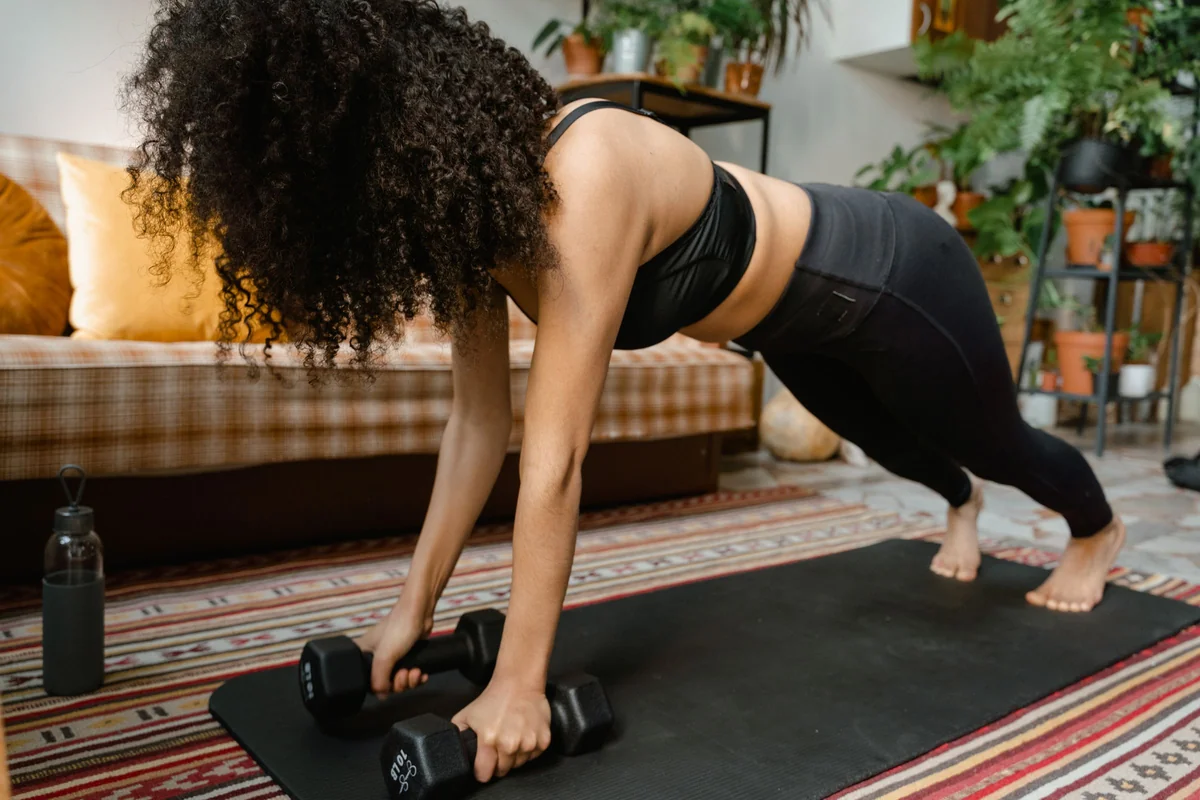
Around the session itself, keep it simple. Eat a normal meal two to three hours before training, and eat again within a couple of hours after. The timing matters less than the pattern. What matters is that the meal after training has both protein and carbohydrate in it, which is exactly what the three plates above provide. For more on what to eat around a session, the guide to what to eat before and after a workout covers the timing in detail.
Make the Plate Match the Plan
Eating for training days is not a separate project from training. It is the same plan, seen from the kitchen. Pick your goal, build the week around it, and let the plate follow the session. Take the quiz to get a training plan matched to your goal and your equipment, and if you want the full version with guided sessions and the complete food catalog, Setline Pro is $6.99 a month or $39.99 a year, with a 14-day free trial, and a $79.99 lifetime option.
Common questions
Can you build muscle on a vegetarian diet?
Yes, if protein is planned rather than left to chance. Each meal needs a named protein source, tofu, eggs, legumes, or dairy, and the day needs enough total food to support training.
What is the easiest high-protein vegetarian meal?
The chickpea salad in this article is the fastest: chickpeas, cucumber, tomato, and olive oil, ready in ten minutes at 238 kcal. The tofu broccoli bowl is the easiest cooked option, and the high-protein oats are the easiest bulk-day breakfast.
Do vegetarians need protein powder on training days?
Not as a rule. Powder is a convenience, not a requirement. If your meals already include tofu, eggs, legumes, or dairy at every sitting, most people cover their needs from food.
How many vegetarian plates does Setline have?
The vegetarian hub lists 118 plates, split between cut and bulk goals. The three plates in this article are a starting rotation; the hub is where you browse the rest.